Transcript
by Josh Teder
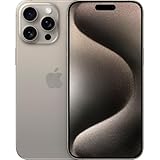
I’ve been using the iPhone 15 Pro Max for over 6 months, and while the new iPhone 16 Pro Max I bought looks almost identical to my former phone, there are some surprising key differences that might make you choose one over the other.
Camera Control Button
First, the iPhone 16 Pro Max and its first advantage is the camera control button on the side. Pressing it opens up the camera from wherever you are on the phone, and pressing it again will take a photo. What’s really interesting about this button is that yes, it is actually a physical button, but it also has a capacitive touch capability where if you slightly press down, it’ll open up camera controls in a new little window while you have your phone. Double-press it again to get to the menu of camera controls you can use, and then you can adjust things like focus, exposure, Photographic Styles, and more. Right now, I haven’t found it particularly useful beyond just opening up the camera app, but some of that is also probably just me combating muscle memory of how I used to get into the camera.
This is the biggest new thing you’re going to probably notice when you just look at a new iPhone, but at this point, I wouldn’t say it’s something that would sway me to the 16 Pro Max over the 15 Pro Max, at least not yet. This is really a feature that I think will take the entire six-month period for me to figure out what its impact on the overall user experience actually is over the long term. And if you want to see that long-term review, by the way, make sure you’re subscribed to the channel. Plus, Apple plans to roll out new features for it, like a two-stage shutter feature in a future update. Though one downside with this button design is depending on what case you get, it could render the button functionality useless, though the case I got from Apple works just fine, as you’d expect.
Photographic Styles
The second big new feature of this phone, that also happens to be camera-related, is the new and improved Photographic Styles, and it’s the biggest reason why I think people would go with the 16 Pro Max over the 15 Pro Max. Generally, while both phones let you apply styles before taking photos, only the 16 Pro Max lets you apply them after the fact, though you’ll need to have High Efficiency mode turned on, saving files in the HEIF or HEVC format versus JPEG.
At first, you might think these styles are similar to the Fujifilm film simulations, like I went over in my X16 review, which changes how the camera processes the photos that you take to look like different film simulations, and then you can go in and change them after you took the photo in a program like Adobe Lightroom. What Apple is doing here, though, I’d argue is a bit different. I’d argue the styles are split into two categories: some styles look more like Instagram filters, like Quiet or Cozy, which add color tints and adjust the highlights and saturation. Others, like Natural, Standard, or Neutral, aim for different variations of the iPhone’s default processing without giving it a real filtered look.
This actually addresses one of the biggest complaints I’ve had with iPhone photos – the default Standard processing often lacks contrast shadows, and it way over-boosts highlights. With this feature, you can finally get photos out of the iPhone that don’t just produce this kind of normal overprocessed iPhone image we’ve all just been accustomed to seeing. What’s really cool is not only can you adjust Photographic Styles before and then after you take the photo, but you can actually adjust three elements within each style itself: Tone controls shadows and highlights (basically your brightness and contrast), Color handles saturation and vibrancy (though you’ll need to switch styles to change the color temperature from a warmer one to a cooler one), and Palette adjusts how strongly the style is applied to your photo.
Battery Life
Coming in at the number three advantage for the 16 Pro Max is battery life. The 16 Pro Max is rated for 33 hours of video playback, up from 29 hours on the 15 Pro Max, and 29 hours of streaming video, up from 25 hours.
Camera System
The fourth major upgrade for this phone is actually its camera system. The Ultra Wide camera is now 48 megapixels, and the main Wide sensor is faster, which enables 4K video at 120 frames per second – perfect for some really nice slow-motion shots.
Display
The fifth advantage for the 16 Pro Max is its display. Not only is it slightly larger at 6.9 inches versus last year’s 6.7 inches, but it can now dim all the way down to one nit of brightness, which is really helpful if you want to use your phone in a really dark room but you don’t want your phone screen to just blind you with light. The bezels are also noticeably slimmer on the 16 Pro Max.
Microphone Upgrades
The sixth highlight for this phone is the upgrades to the mics. The 16 Pro Max now has four studio-quality mics. This is how my voice sounds right now – I’m just recording with the recorder app on the phone just with all the default Auto settings. What’s interesting about this, and why this makes a potential difference, is it actually lowers the noise floor, so you should get less noise in the audio overall. But it’s also easier to then isolate your voice from background noise, and it’ll potentially improve the dynamic range as well. And for comparison, here’s how my voice sounds with the 15 Pro Max using the same audio recorder app. These phones are also running the same version of software as well, so let me know how you think my voice sounds between them in the comments.
A8 Pro Chip
The final big update with this phone is the new A8 Pro chip. It delivers 15% faster CPU performance and 20% better GPU performance compared to last year’s model. That could matter in some graphics and CPU-intensive phone applications, but for everyday apps, I haven’t noticed a difference so far.
Additional Differences
Before I get to the 15 Pro Max’s advantages, there are two other slight differences between these two phones. I wouldn’t consider them highlights of the 16 Pro Max per se, but I did want to mention there’s the new Desert Titanium color, though personally, I found it looked more pink and rose gold in person. I ended up actually returning mine for the Natural Titanium, but if you like those more desaturated pink hues, then I think you might like it.
The second other difference to consider between these two phones involves software updates. Because the 16 Pro Max is one year newer, that means it’s likely going to get one additional year of software updates from Apple compared to the 15 Pro Max, and typically we see iPhones get about 5 to 6 years of software updates right now.
15 Pro Max Advantages
Now, what advantages are there for the 15 Pro Max? The first advantage is price. If you’re looking to buy a new or refurbished iPhone right now, you could find a renewed 15 Pro Max for around $900 or even less on eBay for used ones. The second advantage is you get all of the new Apple Intelligence features the company has been using to market its new phones, like Notification Summary, typing to talk to Siri, and writing tools across the OS that have already rolled out, while others like a smarter Siri that gets access and being able to act upon your personal data, as well as the ChatGPT integration, those are coming in later updates. Third, it’s slightly lighter – 6 grams may not sound like much, but you can feel the difference between the phones in hand.
Recommendation
So which one would I recommend getting? It really depends on how long you plan to keep your next phone. Since most people keep their phones for several years, there are two main reasons I’d lean towards recommending the 16 Pro Max: better battery life and an extra year of software updates. The other major factor that would sway me over to the 16 Pro Max is the camera system updates.
That said, if we’re purely talking form factor, I actually prefer the 15 Pro Max. Making this year’s phone heavier than last year’s is still going in the wrong direction. But if you want the great telephoto lens, all of the new camera features I’ve talked about, but you want it in a form factor where the phone doesn’t weigh as much, it’s maybe not as big, you can actually just go with the 16 Pro this year, and that was not the case with the 15 Pro Max and 15 Pro last year – the 16 Pro gets all of the features I’ve talked about that the 16 Pro Max has.